
Have you ever wondered how a single river can split a city of temples and tombs, then shape the stories of pharaohs and workers alike?
A Day in Ancient Thebes: Exploring Luxor’s West Bank sets clear expectations for a full day on the necropolis side. You will learn why this area is a world heritage site and how temples, tombs, and village art form a single historic landscape.
This short guide previews marquee stops: the Valley of the Kings and Queens, Hatshepsut’s temple, Medinet Habu, Deir el-Medina, and the Colossi. It also outlines a sensible route, ticket tips, and heat-smart timing to make your visit efficient and rewarding.
Practical notes are up front: sun protection, hydration, modest dress, and permit checks for photography. For a tailored day with private transport or a local guide, save Black Camel Tours: 📩 Booking@blackcameltours.com • 📞 +43 660 9081449 | +43 660 8766906 • 🌐 blackcameltours.com.
Key Takeaways
- Plan a full day to see tombs, temples, and worker villages without rushing.
- Understand why the necropolis and riverbanks form a unified world heritage site.
- Follow a route that minimizes backtracking and avoids midday heat.
- Bring sun protection, water, modest clothing, and check photo rules.
- Consider a local guide or private transfer to streamline logistics.
- Preview major highlights: royal tombs, Hatshepsut, Medinet Habu, and the Colossi.
Why Luxor’s West Bank Belongs on Your Ultimate Guide List
The west bank packs centuries of kingship and ritual into a compact, walkable landscape.
The area rose to prominence during the New Kingdom (c. 1550–1070 BC), when pharaohs poured resources into tombs and mortuary temples. Inscriptions and painted chambers record religion, royal power, and daily life, giving a rare documentary view of ancient rule.
UNESCO protects more than pharaonic monuments. The world heritage inscription includes Roman remains, early Christian sites, and Hassan Fathy’s New Gourna Village. This layered record makes the place both beautiful and scholarly.
Why visitors value the site
- Compact concentration of top archaeological sites.
- Rich iconography that a guide can decode on the spot.
- Documentary value: texts that illuminate regional contacts.
| Period | Highlights | Why it matters |
|---|---|---|
| New Kingdom | Royal valleys, mortuary temples | Center of pharaonic power and burial tradition |
| Roman / Early Christian | Layered remains and reused monuments | Shows cultural continuity and change |
| 20th century | New Gourna Village | Modern heritage and social history |
For a tailored route focused on specific rulers or art styles, contact Black Camel Tours: 📩 Booking@blackcameltours.com • 📞 +43 660 9081449 | +43 660 8766906 • 🌐 blackcameltours.com.
Geography 101: East Bank vs. West Bank of Luxor
Crossing the Nile feels like stepping into two different worlds: one packed with active temple life and modern comforts, the other shaped by tombs and mortuary architecture.
City contrasts: The city-center East Bank hosts Karnak and Luxor Temple, plus shops and hotels. The west bank holds the Valley of the Kings and Queens, Hatshepsut, Medinet Habu, and Deir el-Medina—sites focused on burial and memorial functions.
How the Nile shapes your plan
The river creates greener agricultural areas near its banks that give way to dry wadis and rocky hills where tombs open. Use that natural split to group visits by theme: temples and museums on the East, necropolis sites on the West.
- Cross the river by the baladi ferry near Luxor Temple for the quickest, cheapest way to reach the west bank sites.
- Bridges can fill with traffic; private launches or ferries are often the smarter way to travel.
- Start early on the west bank to beat heat, then return to the East Bank for an evening stroll or night visit.
| Side | Main focus | Best time to visit |
|---|---|---|
| East Bank | Temple complexes, museums, hotels | Afternoon to evening (temple lights) |
| West Bank | Necropolis, mortuary temples, artisan village | Early morning to midday (beat heat) |
| Crossing options | Baladi ferry, private launch, bridge, taxi | Ferry for speed and budget; launch for comfort |
For scheduling advice, sunrise balloon plans, or tailored routes based on where you stay, contact Black Camel Tours: 📩 Booking@blackcameltours.com • 🌐 blackcameltours.com.
A Day in Ancient Thebes: Exploring Luxor’s West Bank
Start before sunrise to see the landscape wake: fields, gullies, and temple roofs glow as light spreads. This timing sets the tone for a focused day and keeps energy high for tomb visits.
Sunrise start: hot air balloon perspective
Lift off in a balloon for about 45 minutes and enjoy a quiet, panoramic experience. Allow roughly three hours total for pickup, flight, and transfers so you arrive refreshed at the first site.
Mid-morning in the wadis: beat crowds and heat
Use the cooler time window to reach the Valley of the Kings before daily capacity limits grow. Short walks through shaded wadis keep visitors cooler and reduce exposure to peak sun and crowds.
Golden-hour finishes: statues and river views
Save open-air monuments for late afternoon. Medinet Habu and the Colossi look best in warm light, and riverside views at golden hour make for calm returns across the ferry.
| Slot | Activity | Why it works |
|---|---|---|
| Sunrise | Balloon flight + transfer | Quiet skies and quick arrival at sites |
| Mid-morning | Valley visits, shaded wadis | Cooler, fewer crowds |
| Late afternoon | Open monuments, photos | Best light and calmer exits |
Book tours or a private driver to simplify tickets and transfers. Contact Black Camel Tours: 📩 Booking@blackcameltours.com • 📞 +43 660 9081449 | +43 660 8766906.
Can’t-Miss West Bank Highlights: From Pharaohs’ Tombs to Royal Memory
Map your route around ticket rules and opening rotations so you see the most vivid tombs and best-preserved temple art.
Valley of the Kings essentials: the main ticket office sits at the valley kings complex. Standard entry covers three tombs; some premium tombs, including Tutankhamun, need a separate add-on. Check which valley kings tombs are open before you choose.
Valley of the Queens still surprises visitors with brilliant pigments. When Nefertari or other major chambers open, prepare for dazzling painted walls.
Deir el-Medina shows intimate worker tomb art in tight, steep passages. Scenes of daily life contrast with royal scale and iconography in the larger tombs.
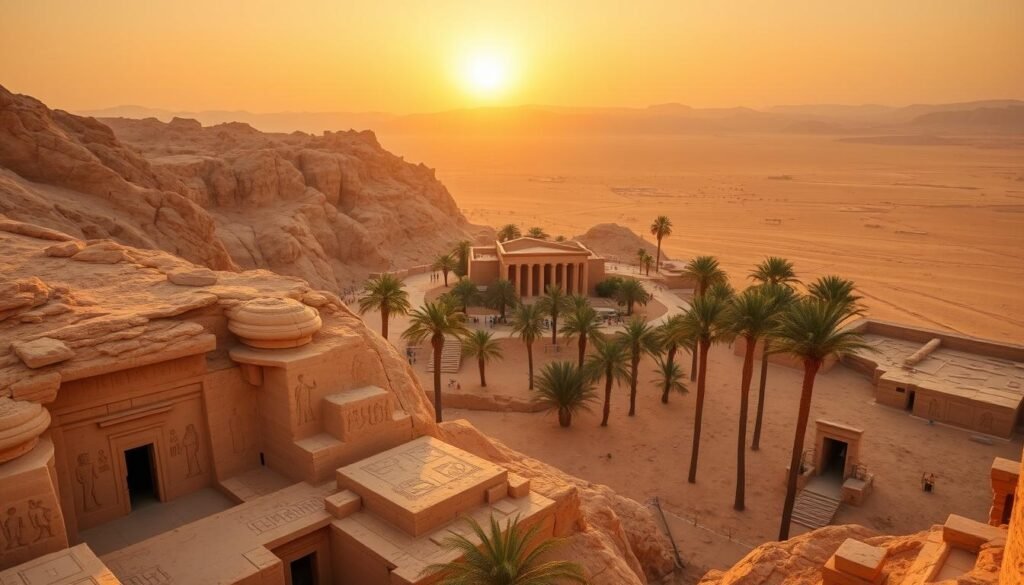
Hatshepsut’s temple offers elegant reliefs about trade and rulership. Medinet Habu (Ramesses III) retains some of the best-preserved colors on the west bank. Pause at the Colossi of Memnon—these statues make an easy, memorable stop near the entrance.
- Buy tickets at the Valley of the Kings office.
- Decide on the Tut add-on based on interest.
- Confirm daily openings; contact Black Camel Tours: 📩 Booking@blackcameltours.com • 🌐 blackcameltours.com.
Smart Logistics: Tickets, Photography, and Crowd Avoidance
Smart planning keeps ticket lines short and lets you enjoy the best tombs before crowds form. Start with a clear ticket plan and you’ll save time and energy on the west bank.
Where to buy tickets and what’s included
Begin at the Valley of the Kings ticket office to secure base entries and any add-ons for premium tombs. Ask staff which other entrances sell combined tickets to avoid backtracking.
Carry crisp USD or EUR. Card machines can fail, and small bills help with tips and incidentals.
Photography policies: phones, permits, and banned gear
Rules vary by tomb. Many allow phones without extra permits, but some chambers need separate tickets for photos.
Tripods and selfie-sticks are prohibited. Keep gear minimal to speed security checks and to protect fragile interiors.
Beat the rush: timing and capacity limits
Hit high-demand tombs early, then visit open-air monuments late when crowds thin and temperatures drop.
Know that per-tomb daily limits exist; once a tomb reaches capacity, access closes for the day. Consider hiring a guide or driver to adjust plans quickly if a tomb is unexpectedly closed.
- Bring water, sunscreen, and a wide-brim hat for shade-free walks.
- Travel light and organize tickets first to avoid long waits.
- For tailored help, contact Black Camel Tours: 📩 Booking@blackcameltours.com • 📞 +43 660 8766906.
Getting Around: Ferry, Bridges, Taxis, and Bikes
Choosing the right crossing can turn a stressful transfer into a smooth start to your visit.
Baladi ferry vs. private launches
The baladi ferry near Luxor Temple is quick and budget-friendly. It docks close to the core and is usually the best way to reach the west bank during busy hours.
Private motor launches cost more but leave when you want. If time matters, a launch can be faster than crossing by bridge and taking a taxi.
Hiring drivers, bikes, and site distances
Once on the west bank hire a driver for the day to ease transfers between the Valley, Deir el-Medina, Hatshepsut, and Medinet Habu. Distances among sites are modest, but heat and sand make vehicle hops wise.
For a relaxed pace, rent a bike to link flat stretches. Reserve steeper access routes for a taxi.
“Ask a guide to map an efficient loop so you cluster entrances and avoid midday walking.”
- Expect bridge traffic; favor water routes mid-morning and late afternoon.
- Build a short buffer at each stop for ticket checks and security.
- Black Camel Tours can arrange vehicles, ferry timing, and door-to-door pickups: 📩 Booking@blackcameltours.com • 📞 +43 660 9081449.
When to Go: Best Seasons and Daily Timing
Seasonal trade-offs matter: milder months bring more visitors and higher prices, while hotter months are quieter but demand stricter planning.
October–April offers comfortable weather for long walks and photography. Expect larger crowds at popular sites and busier ticket lines. Book ahead for premium tomb entries such as the valley kings to avoid disappointment.
May–September is intensely hot. If you choose this window, start in early mornings and pause mid-day in shaded or indoor stops. Short outings, frozen water bottles, and electrolyte tabs help manage heat on the west bank.
Designing a heat-smart route
Hit the valley kings at opening to beat limits and queues. Use mid-day for Deir el-Medina or museums, then save open-air temples for late afternoon light.
- Target October–April for milder weather and accept higher demand.
- Choose summer only if early starts and strict shade breaks suit you.
- Freeze bottles overnight and pack electrolyte tabs for long routes.
- Keep one flexible stop to swap in if a marquee tomb reaches capacity.
“Monitor capacity-controlled tombs and rearrange stops on the fly to secure access before limits are reached.”
Need a heat-smart plan? Let Black Camel Tours craft an itinerary that fits your pace and season: 🌐 blackcameltours.com • 📩 Booking@blackcameltours.com.
Bonus Context on the East Bank: Karnak and Luxor Temple
The city’s temple axis ties monumental architecture to civic life and evening ritual.
Visit the karnak temple complex to feel scale. The Great Hypostyle Hall’s forest of 134 columns is a New Kingdom masterwork of architecture. Walk slowly and notice carved reliefs and reused blocks that record ruler changes.
Explore precincts dedicated to Amun‑Ra, Mut, and Montu across the broader complex. These linked areas show growth over centuries and explain local religious layers.
https://www.youtube.com/watch?v=gAV8LgaERk0
Karnak Temple Complex and the Great Hypostyle Hall
Make time for the Great Hypostyle Hall. Its scale and light are the reason many travelers call this karnak temple a must-see site.
Luxor Temple by day and illuminated at night
Visit the luxor temple by day to study reliefs and alignments. Return after dusk to see the site lit and calm. Evening lighting changes perspectives and invites quieter photos.
Luxor Museum and the Mummification Museum essentials
The nearby museum presents refined artifacts and offers context to temple reliefs and funerary practice. The Mummification Museum explains tools, techniques, and ritual steps used on humans and animals. These stops deepen your grasp of local history.
- Pick up tickets at the site entrances for the karnak temple and luxor temple to avoid waits.
- Look for obelisks, reused blocks, and statues that reveal the complex palimpsest of rulers.
- Ask Black Camel Tours to weave these East Bank highlights into your arrival evening or a second day: 📩 Booking@blackcameltours.com • 🌐 blackcameltours.com.
“The two temples once linked by a sphinx-lined avenue, forming a living ritual route.”
Signature Experiences: Hot Air Balloon and Felucca on the Nile
Float above fields and tomb-dotted ridges as dawn breaks. A sunrise balloon gives you about 45 minutes aloft and roughly three hours door-to-door with transfers. This timing makes the flight perfect before major sites open.
Choose vetted operators for safety. Black Camel Tours links you with trusted teams, aligns pick-ups, and helps time your landing so you reach the first entry without delay. Ask your guide to coordinate transfers and timing.
Relaxed felucca sailing and sunset views
After a busy day, unwind on a traditional felucca for calm, wind-powered cruising along the river. Time the sail to glide past the East Bank skyline and watch colors change on Luxor Temple.
- Book a sunrise balloon to see first light sweep the west bank’s ridges and fields.
- Expect about 45 minutes in the air and ~3 hours total with transfers.
- Combine both: balloon at dawn, felucca at dusk, then a compact mid-day site loop.
“Capture the mood, not just the monuments—these moments frame your visit with unforgettable perspectives.”
Ready to plan? For vetted tours and seamless transfers contact Black Camel Tours: 📩 Booking@blackcameltours.com • 📞 +43 660 9081449 | +43 660 8766906.
Suggested One-Day Itinerary on the West Bank
Plan an efficient loop so you see the top tombs and temples before heat and crowds build.
Morning: valley kings circuits and Hatshepsut
Start at the valley kings ticket office at opening. Choose three open tombs; add the Tutankhamun option if available.
Next, visit Hatshepsut’s temple at Deir el‑Bahari for terrace views and well-preserved reliefs.
Afternoon: Medinet Habu colors and Colossi Memnon
Break for lunch and shade, then head to Medinet Habu to study vivid painted reliefs across large surfaces.
Stop briefly at the Colossi Memnon for broad-angle photos and context on Amenhotep III’s program.
Evening options: luxor temple and karnak temple precinct
Cross to the East Bank for luxor temple at night; lighting changes perspective and calms crowds.
If time and energy remain, view the karnak temple exterior before dinner along the corniche.
| Time | Stop | Why it matters |
|---|---|---|
| Morning | Valley Kings ticket office → tombs → Hatshepsut | Secure top tombs before capacity limits; enjoy cool light at terraces |
| Afternoon | Medinet Habu → Colossi Memnon | Best preserved colors; quick photogenic stop |
| Evening | Cross to East Bank → luxor temple → optional karnak temple exterior | Temple lighting and relaxed evening atmosphere |
“Keep transfers tight by hiring a guide and driver who can change plans if a target tomb closes.”

Book or ask for a customized timeline: 📞 +43 660 9081449 | +43 660 8766906 • 📩 Booking@blackcameltours.com • 🌐 blackcameltours.com.
Beyond the Main Sites: Easy Day Trips from Luxor
Short excursions north and south reveal compact treasures that complement the core itinerary.
Dendera and Abydos sit north of town. Dendera’s Temple of Hathor is among the best-preserved sites for ceiling restorations and painted reliefs. Pair it with Abydos to see Seti I’s temple and the famous king lists that anchor dynastic chronology.
Esna and Edfu lie to the south. Both are Ptolemaic highlights with soaring hypostyle halls and crisp reliefs. These areas showcase careful architecture and clean iconography that photographers and scholars value.
Kom Ombo offers twin sanctuaries to Sobek and Horus and a small crocodile museum. Many travelers add it to a Nile cruise that links multiple sites with onboard commentary and guided shore excursions.
- Allocate full days to one or two destinations to savor art and avoid long drives.
- Consider a private option to match your pace, or a shared cruise for seamless transport.
“Choose one or two stops per trip so you can study reliefs instead of racing between ruins.”
| Location | Distance from Luxor | Highlight | Best for |
|---|---|---|---|
| Dendera | ~60 km north | Temple of Hathor; vivid ceilings | Late-period artistry, short visit |
| Abydos | ~160 km north | Seti I temple; king lists | History and dynastic inscriptions |
| Esna / Edfu | ~50–120 km south | Ptolemaic hypostyle halls; crisp reliefs | Architecture and clear iconography |
| Kom Ombo | ~170 km south (by river) | Twin sanctuaries; crocodile museum | Cruise stop, thematic contrast |
Fold in historical context: Ptolemaic builders often revived older forms to assert rule. For tailored tours or to plan which sites to visit, contact Black Camel Tours: 🌐 blackcameltours.com • 📩 Booking@blackcameltours.com.
Practicalities for Visiting Luxor: Safety, Dress, Money, and Stays
Small choices before you travel make big differences on the ground. Plan where you sleep, how you pay, and how you protect yourself from sun and fatigue. These prep steps keep your itinerary smooth and let you enjoy the sites without last-minute hassles.
Staying on the west side vs. the east side
Choose your side based on priorities. Staying on the west side shortens morning transfers to tombs and balloon launches. It often costs less and speeds early starts.
East side accommodations offer more dining, nightlife, and hotel variety. If you prefer evening walks and easy access to museums, base yourself there and cross the river early on visit days.
Cash, cards, and crisp currency at ticket offices
Carry crisp USD or EUR for ticket booths and tips. Card machines sometimes fail at remote ticket offices, so small notes help with taxis and local purchases.
Modest dress, sun protection, and hydration
Dress modestly out of respect and comfort. A breathable long-sleeve layer protects skin and stays cool.
Bring sunscreen, a wide-brim hat, and electrolyte packets. Pace your days with shaded breaks, short museum stops, or pool rests to avoid mid-day fatigue.
- Pre-book the best way to move: drivers, ferries, or private launches can streamline crossings and pick-ups.
- Expect friendliness: tourists generally feel safe when following normal precautions and avoiding isolated areas after dark.
- Need help? Black Camel Tours can recommend accommodations that fit your style and coordinate early pick-ups from either side — 📩 Booking@blackcameltours.com • 📞 +43 660 8766906.
“Pace your days and protect yourself from the sun; small comforts add up to better visits.”
Plan Your Tour or Custom Day: Contact Black Camel Tours
Book a custom tour to turn logistics and tickets into a smooth, memorable visit.
Private drivers simplify inter-site transfers and save time between tombs and temples. Early starts help secure access to limited-capacity chambers. Choose a ferry or private launch that matches your pickup and first-entry time for a seamless flow.
Photography rules vary by site. Ask your guide for clear advice on permitted gear so you avoid surprises at ticket gates. Guides and Egyptologists from Black Camel Tours will also suggest the best lighting and pacing for your visit.
📩 Booking@blackcameltours.com | 🌐 blackcameltours.com
📞 +43 660 9081449 | +43 660 8766906
- Email or call to book a custom west bank day with vetted drivers and Egyptologists aligned to your interests and time window.
- Lock in a sunrise balloon, then roll into first-entry tombs before daily limits are reached for the best experience.
- Choose ferry or private launch crossings that sync with your pickup location and first site entry time.
- Get clear guidance on photography permissions and what gear is allowed at each site.
- Enjoy flexible pacing: add or swap stops if a targeted tomb is closed or unexpectedly busy.
- Combine a west bank focus with an East Bank evening—Luxor Temple lit at night is a perfect finish.
- Scale up to multi-day tours for more depth at Medinet Habu, Deir el-Medina, or additional valleys.
“Let your guide handle timing and tickets so you can focus on the monuments and the moment.”
Conclusion
Wrap up your visit by letting the layered monuments and quiet courtyards settle into memory.
Remember, this area is a world heritage site that compresses New Kingdom power, later eras, and living community history into one compact place. Early starts beat crowds and give more time to savor painted chambers and tombs.
Give yourself at least two days to add Karnak Temple, Luxor Temple, and key west bank sites. Mix marquee temples with quiet corners, then end with a slow pass along the river to recall the Colossi Memnon and great statues.
For guided plans, balloon pick-ups, or tailored tours, contact Black Camel Tours: 📩 Booking@blackcameltours.com • 📞 +43 660 9081449 | +43 660 8766906 • 🌐 blackcameltours.com.