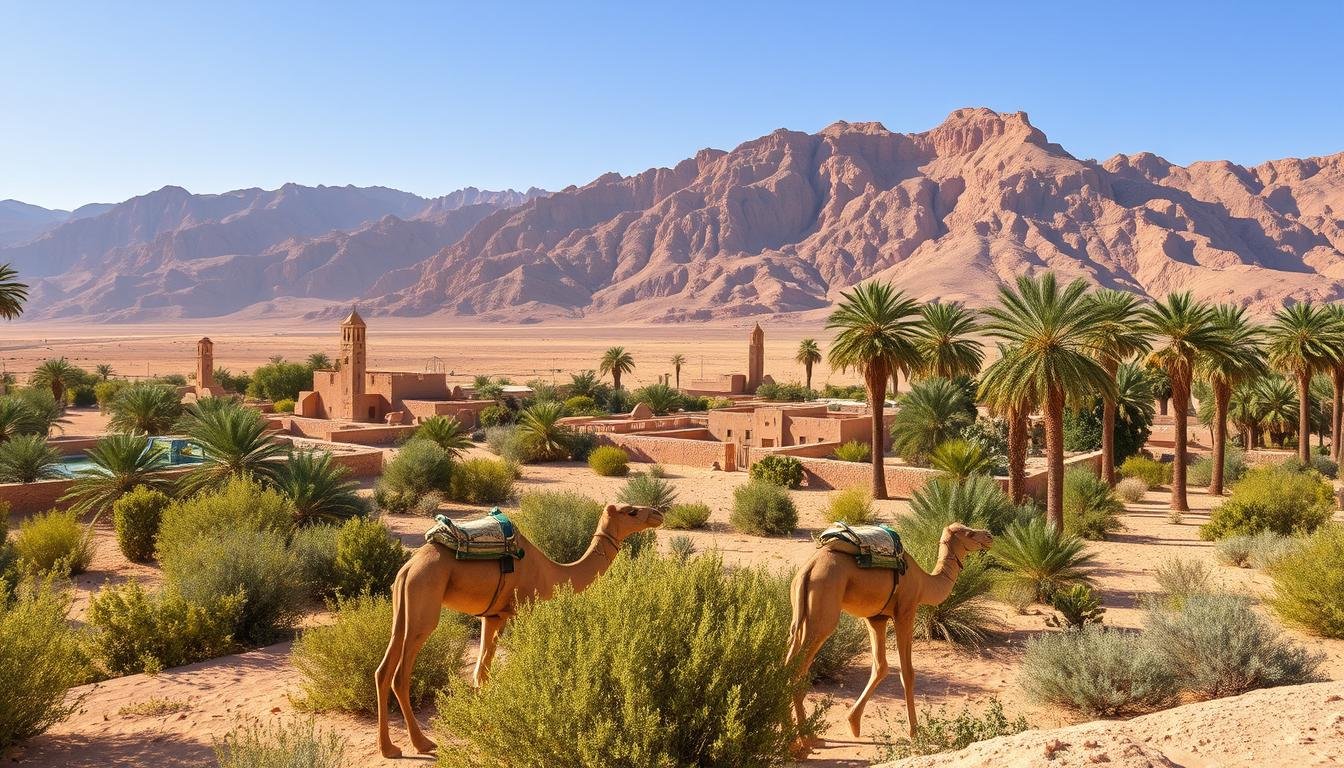
Can a single day’s travel from Cairo lead you to a place that feels like another world? This stretch of the Western Desert hides palm-lined springs, bright salt lakes, and ancient mud-brick ruins that invite curiosity and calm in equal measure.
Plan your trip with ease: reach this remote oasis by an 8–9 hour bus ride or private transfer, and find boutique eco-lodges built from kershef (salt and clay) that blend into the landscape.
Top attractions include the Shali Fortress, the Oracle Temple at Aghurmi, Cleopatra Spring (Ain Juba), the Mountain of the Dead, and vast dunes for sandboarding and stargazing.
Expect slow days, welcoming locals, and star-filled nights. Wellness moments like buoyant salt lakes and hot springs follow dune outings, and local guides turn a simple visit into a rich cultural experience.
Keep Black Camel Tours handy for custom planning and private transfers: 📩 Booking@blackcameltours.com | 📞 +43 660 9081449 | +20 108 073 3101 | 🌐 blackcameltours.com.
Key Takeaways
- This remote oasis blends natural springs, salt lakes, and ancient sites for a unique travel experience.
- Travel time from Cairo is substantial but rewarding—plan for an 8–9 hour bus or private transfer.
- Main attractions include Shali Fortress, the Oracle Temple, Cleopatra Spring, and the Great Sand Sea dunes.
- Wellness perks: float in salt lakes and relax in hot springs after dune activities.
- Book with local experts like Black Camel Tours for smooth logistics and insider knowledge.
Welcome to Siwa: Why This Hidden Paradise Belongs on Your Egypt Itinerary
Visit this small town to see where traditional craft, salt lakes, and warm hospitality converge.
siwa oasis sits far west from Cairo, near the Libyan border, and still pulses with Berber roots. The mud-brick lanes and living sites like the Shali Fortress and the Siwa House Museum let visitors touch a real past.
What makes this oasis vital to any trip is its calm rhythm. Palm groves, springs, and bright salt flats lie within short drives or easy walks. The people preserve craft and song, so your experience feels personal and grounded.
Expect dune thrills by day and restorative soaks under vast night skies. Plan for travel time and seasons so the journey feels unrushed.
- Why go: a peaceful heart where culture and landscape meet.
- For visitors who want: slow days, authentic interaction, and wellness.
- Need help: Black Camel Tours can tailor your way to visit siwa — 📩 Booking@blackcameltours.com | 📞 +43 660 9081449 | +20 108 073 3101 | 🌐 blackcameltours.com.
Siwa at a Glance: Where the Western Desert Meets Palm Groves and Salt Lakes
Imagine a place where palm trees sketch the horizon and bright salt lakes flash like gems under a wide sky. This small town lies near the Libyan border and feels a world away from Cairo. Travel here is a full-day way, but the calm pace pays off.
Location and vibe
Pinpoint this remote town in Egypt’s Western desert just off the border with Libya. Days move slowly here. Locals welcome visitors who respect local customs and the easy rhythm.
Landscape highlights
Palm groves and olive trees rim crystal springs like Cleopatra Spring, while salt lakes glow turquoise in bright light. The Shali Fortress, built from kershef mud-brick, anchors the town and its attractions.
The unhurried rhythm
Expect laid-back daytime walks and near-total darkness at night that reveals the Milky Way. High-salinity lakes make floating effortless—bring water to rinse off salt and footwear to protect feet from sharp salt crystals.
Photo tip: Bring a wide-angle lens for sweeping palm-and-lake panoramas and a tripod for night shots above the town.
History and Legends You Can Still Touch
From oracle chambers to fortress ramparts, the past sits within arm’s reach for curious visitors.
Temple of the Oracle at Aghurmi
The famous oracle temple drew rulers seeking guidance, most notably Alexander the Great in 331 BC.
Temple Amun at Aghurmi served as a living seat for a temple oracle who advised kings and envoys.
Shali Fortress: a kershef silhouette
Shali Fortress dates to the 13th century and was built from kershef—salt and clay that shape local architecture.
Storms damaged parts of the walls, but restorations keep the fortress a timeless symbol and approachable set of ruins.
Mountain of the Dead: rock-cut echoes
Gebel al-Mawta, the Mountain of the Dead, holds hundreds of rock-cut tombs and wide viewpoints across the plain.
Entry is modest (around 50 EGP) and short walks here reward visitors with quiet archaeological moments and sweeping desert views.
Tip: Visit in soft morning or late afternoon light to see inscriptions and mud-brick layers clearly. A local guide will add context and stories that link these sites to the wider world history.
Top Places to Visit in Siwa Oasis
These landmarks mix ruined ramparts, cooling pools, and calm lakefronts into a compact itinerary.
Shali Fortress dates to the 13th century and is free to explore. Climb its kershef labyrinth for sweeping town and desert views. Restored rooms still host families, and narrow alleys make great photo frames.
Oracle Temple at Aghurmi
The oracle temple holds the region’s deep history and links to Alexander’s visit. Pair this stop with nearby Umm Ubayd ruins to round out the temple oracle story.
Cleopatra Spring and Fatnas Island
Cleopatra Spring (Ain Juba) is a free, fresh pool ringed by cafés — perfect for a midday dip between ruins and palms.
Fatnas Island offers quiet sunset silhouettes over glassy lakes. Photographers and slow travellers both love this view.
Siwa House Museum and optional detour
The Siwa House Museum preserves crafts, songs, and traditional homes. It gives context to what you see around town.
If you have time, add the Mountain of the Dead for hilltop views and ancient tombs to complete your cultural experience.
- Tip: Short walks link most attractions; hire a local guide for stories and smoother navigation.
- Wellness: Balance sightseeing with lake swims and spring soaks to recharge between stops.
Great Sand Sea Adventures: Dunes, Safaris, and Sandboarding
When sunlight hits the great sand, dunes bloom into sweeping ridges perfect for riding and photos. This stretch near siwa oasis offers high-energy 4×4 runs, soft-board descents, and vast night skies for camping.
Riding the waves of sand: 4×4 dune bashing and sandboarding thrills
Crest huge dunes, pause for the view, then carve down smooth faces on a board. Most half-day tours combine a few adrenaline runs with a sunset stop for photos. Longer tours add more remote ridgelines and guided practice for sandboarding.
Desert nights: Stargazing and optional overnight camping under the Milky Way
Extended trips often include an overnight camp with a campfire dinner and blanket-studded skies. Many tour operators plan a sunset session and a stargazing window; bring layers because temperatures drop fast after dark.
- Many tours include a soothing stop at Bir Wahid hot spring after dune rides.
- Pack sunglasses, a shemagh, and closed shoes to protect from wind and sand.
- Combine dunes, spring soak, and a campfire dinner in one day to maximize your trip.
- Book with reputable local providers for well-equipped 4x4s and experienced drivers.
- Photographers: aim for golden hour when the great sand turns into rippling light and shadow.
In short: this is one of siwa oasis’s top attractions for active travelers seeking a memorable desert experience while keeping logistics and comfort in mind.
Salt Lakes and Springs: Wellness in Nature’s Open-Air Spa
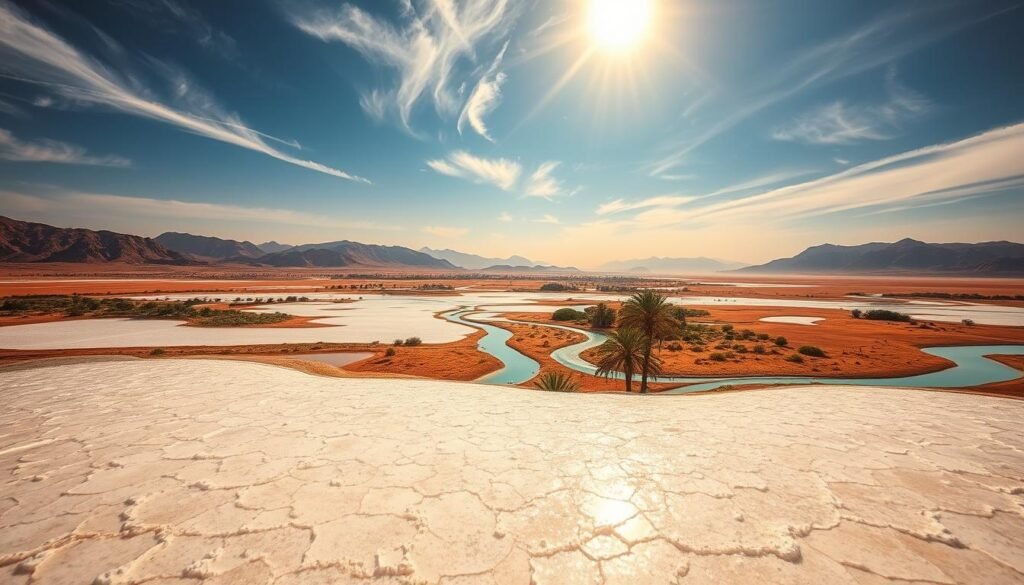
Turquoise pools here let you float weightless, a strange but soothing contrast to wide sandy plains.
Floating in turquoise: How to visit salt lakes safely
High salinity makes floating effortless. Keep water out of your eyes and rinse well afterward.
Bring fresh water to wash off salt, sturdy flip-flops for sharp salt edges, and a towel plus a bag for salty gear.
Hot and cold springs: Bir Wahid and restorative soaks
Bir Wahid offers a steaming soak after dune runs. Many lodgings also grant hot spring access for guests.
Non-guests often pay around 50 EGP for entry. Private driver lake runs commonly cost about 300 EGP.
Therapeutic sands: Traditional sand baths and mineral-rich therapies
Local sand baths use warm, mineral-rich sand to ease joints and skin. Visitors pair a morning salt lakes session with an afternoon spring soak for balance.
“Rinse well and respect small pools—avoid sunscreen runoff and follow local guidance at each spring.”
- Options: quick private driver runs to quiet pools or longer guided excursions with photo stops.
- Bring water, flip-flops, towel, and a bag for gear.
- Respectful behavior keeps these fragile sites open for future visitors.
| Spot | What to expect | Typical cost | Tip |
|---|---|---|---|
| Salt lakes | Effortless floating, sharp salt edges | Private run ~300 EGP | Rinse after, protect eyes |
| Bir Wahid spring | Hot soak, restorative | Entry ~50 EGP | Bring light layers |
| Freshwater springs | Cool dips, cafes nearby | Often free | Avoid sunscreen in pools |
| Sand baths | Mineral heat therapy | Varies by provider | Short sessions recommended |
Siwa Oasis Adventure: The Hidden Paradise of Egypt’s Desert — Best Time to Visit
Timing your visit matters: choose cooler months to enjoy walking through palm-lined lanes, dune runs, and calm lake edges without oppressive heat. Summer temperatures often exceed 40°C (104°F), so plan for comfort.
Why October to April wins
October to April brings milder daytime temps that suit sight-seeing, Great Sand Sea tours, and hikes. Days feel pleasant and nights turn chilly, so pack a light jacket for early mornings and evening campfires.
Seasonal notes
Salt lakes and springs will feel cooler in winter but remain refreshing in shoulder months. Off-peak times often mean fewer visitors and a slower pace for those who prefer quiet days.
- Plan early starts and sunset finishes to catch best light and avoid midday heat.
- Some local festivals affect availability—book ahead to secure stays and guides.
- Build buffer days for weather, rest, or added multi-day camping and long drives.
- Black Camel Tours can tailor your travel dates for well-paced, smooth days.
How to Get to Siwa Oasis from Cairo, Alexandria, or Marsa Matruh
Getting to this remote spot means planning for a long road day or mixing a short coastal flight with a desert drive.
Cairo to Siwa: The main way is a long-haul bus from Cairo that takes about 8–9 hours. Buses arrive in town and you can take a short taxi or walk to most lodgings. There are no regular direct flights to the area, so book bus tickets early—return seats can sell out.
Cairo to Siwa: timing and tips
Reserve tickets ahead and aim to arrive by daylight for easier check-in and safer navigation. If you prefer comfort, a private transfer is a good choice for families or extra gear.
Via Marsa Matruh: fly then drive
Another way is to fly to Marsa Matruh, then drive roughly 300 km inland. This route gives a coastal-to-desert contrast and breaks up the trip nicely. Confirm fuel stops; services thin out past major towns near the border.
Driving basics
- Carry extra water, snacks, and a full fuel tank.
- Check road conditions before you depart and plan daylight arrival.
- Coordinate door-to-door logistics with a trusted operator to simplify the drive and local transfers.
| Route | Duration | Pros | Practical tip |
|---|---|---|---|
| Cairo by bus | 8–9 hours | Direct, economical | Book returns early |
| Cairo + private transfer | 7–9 hours | Comfort, flexible stops | Good for families |
| Fly to Marsa Matruh + drive | Flight + ~5–6 hour drive | Scenic, splits travel | Fuel up in coastal towns |
Pro tip: Coordinate with Black Camel Tours for a smooth door-to-door service when you plan to travel to siwa oasis. They can manage pickup, routes, and timing so your trip feels easy from start to finish.
Suggested Itineraries: Make the Most of Your Time in Siwa
Smart timing turns a compact visit into a full experience of ruins, lakes, and sunsets.
Two-day highlights: Day 1: climb Shali Fortress and explore the Oracle Temple at Aghurmi. Pause at Cleopatra Spring for a quick dip, then watch sunset at Fatnas Island.
Day 2: float in nearby salt lakes, visit the Siwa House Museum, and stroll the town lanes. Most key attractions are close, so you can move slowly and soak it in.
Three to four days: add more
Add a Great Sand Sea tour with sandboarding to feel the dunes. Schedule a Bir Wahid hot spring soak the next morning to recover.
Stretch to four days to hike Gabal Dakrur for broad views over palms, lakes, and desert horizons.
| Length | Key activities | Approx cost |
|---|---|---|
| 2 days | Shali, Oracle, Cleopatra Spring, Fatnas Island | Most sites free; small temple fees ~50 EGP |
| 3 days | Add Great Sand Sea tour + sandboarding | Local tours ~200–300 EGP per person |
| 4 days | + Bir Wahid soak, Gabal Dakrur hike | Add driver run ~300 EGP if private |
- Avoid midday heat: aim for morning fortress climbs and late-afternoon temple visits.
- Group Aghurmi and Cleopatra Spring in one outing to save time.
- Confirm tours a day ahead and keep cash for entry fees and local drivers.
“Leave room for a second salt lake session if you fall in love with the wellness side.”
Where to Stay and What to Eat in Siwa
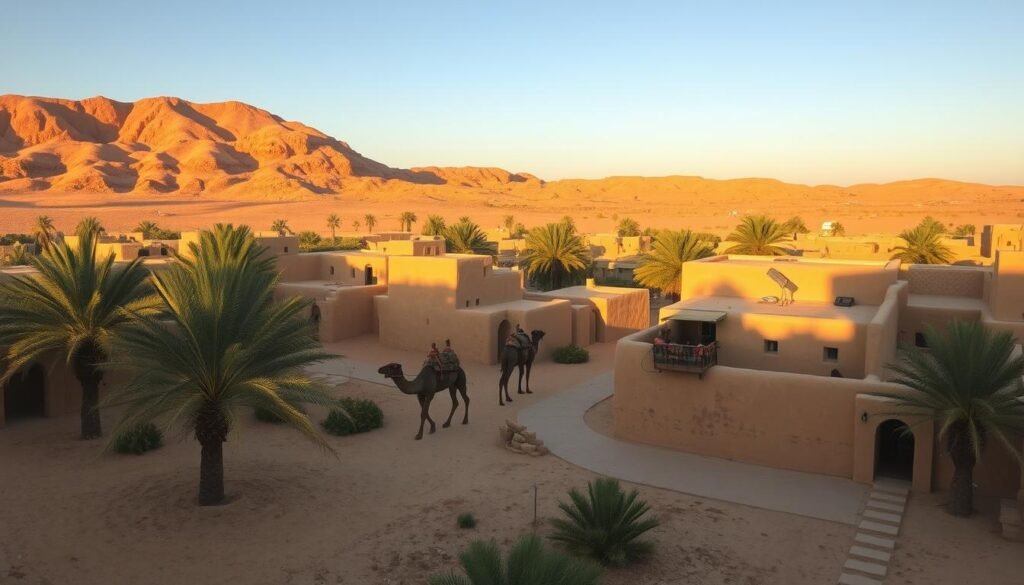
Choose lodging that mirrors the landscape: low-slung kershef rooms, shaded courtyards, and small gardens set the tone for a restful visit to siwa oasis.
Eco-lodges and boutique stays
Properties lean boutique rather than five-star. Expect mud-brick walls, timber beams, and calm courtyards that cool hot afternoons and welcome slow mornings.
Many places sit about 5 km outside town and include hot spring access, fireplaces for cool nights, and garden breakfasts. In-town options keep you steps from cafés, shops, and evening life.
Local flavors and craft markets
Dining highlights showcase local food: sweet dates, rich olives, and simple regional dishes made from seasonal produce. Ask your host for a home-cooked meal or a music evening for a truer cultural experience.
Markets sell salt-made ornaments and lamps, woven textiles, and natural oils—perfect souvenirs that support local people and artisans.
Service and booking tips
Hospitality is warm. Locals often arrange excursions, museum visits, and transfers, so lean on staff for timing and trusted drivers.
- Book early in peak months, especially for rooms with hot spring access or standout views.
- Staying outside town adds quiet, starry nights; in-town stays suit those wanting cafés and easy strolls.
- Tip: request a home dinner to connect with hosts and learn more about daily life in this oasis.
Travel Essentials: Safety, Culture, and Practical Tips
Knowing basic etiquette and safety tips helps visitors enjoy sites and connect with people without fuss. This short guide covers what to pack, how to behave, and simple health and money tips so your trip runs smoothly.
Packing smart for the desert
Bring breathable layers, a shemagh or scarf, a wide sun hat, and high-SPF sunscreen. Nights cool quickly, so add a light jacket and a power bank for long outings.
Respecting local culture
Wear modest swimwear at springs and modest clothing in town. Ask before photographing people and keep quiet at sacred sites. Locals appreciate polite, low-key behavior.
Money, connectivity, and health
ATMs are limited—carry cash for small fees and typical local tour costs (about 200–300 EGP). Buy an Egyptian SIM for maps and messaging; coverage is best in town and patchy in remote areas.
- Safety: the area is calm and friendly; secure valuables and follow guides at historical sites.
- Hydration: drink often, use shade breaks, and plan hikes for early or late time slots.
- Navigation: download offline maps and pin key spots before you go.
- Guided tour: join one for remote routes to add history context and simplify logistics with locals.
| Item | Why | Tip |
|---|---|---|
| Refillable bottle | Stay hydrated in dry air | Top up at lodgings |
| Power bank | Long days, photos, navigation | Charge each night |
| Cash | Small entries and drivers | Carry ~500–1000 EGP for flexibility |
Plan and Book with Black Camel Tours
Let a trusted operator stitch transfers, guides, and curated experiences into a single, easy itinerary.
Black Camel Tours offers tailored small-group and private arrangements that link Cairo or Marsa Matruh with expert drivers and guides. Popular inclusions include Great Sand Sea safaris with sandboarding, Bir Wahid hot spring stops, temple and fortress walkthroughs, salt lake sessions with rinse water, and sunset visits to Fatnas Island.
Tailored trips with expert guides and seamless logistics
Guides time daylight arrivals, handle permits if needed, and adapt daily plans to your pace. Expect pre-booked drivers, gear support, and rinse water at salt lakes to make every experience smoother.
Contact and booking
Black Camel can design family-friendly or specialist itineraries—wellness, photo-focused, or high-energy dune days. Share your trip goals and they will personalize dates, routes, and stops.
Book now
“Share your priorities—photography, culture, or pure relaxation—and the plan will be tailor-made.”
📩 Booking@blackcameltours.com | 📞 +43 660 9081449 | +20 108 073 3101 | 🌐 blackcameltours.com
Conclusion
Plan smart, a visit to siwa oasis blends living history, buoyant salt water, and sweeping ridgelines into a single memorable place.
Shali Fortress, the temple oracle linked to Alexander Great, and the Mountain Dead show how history meets daily life here. Lakes and salt lakes offer open-air spa moments after dune runs in the great sand sea.
Best time visit: October to April for cooler days and easier hikes. Travel by bus from Cairo or fly to Marsa Matruh and drive inland — the way pays off with quiet nights, warm people, and unforgettable sunsets at Fatnas Island beneath palm trees.
Plan your trip: 📩 Booking@blackcameltours.com | 📞 +43 660 9081449 | +20 108 073 3101 | 🌐 blackcameltours.com.