Have you ever wondered if one day can hold Egypt’s greatest treasures and a visit to the pyramids? This guide explains what is already open and what becomes available on November 1, 2025.
Located near the Giza Plateau, about 2 km from the pyramids, the grand egyptian museum now offers major halls, a children’s museum, gardens, and a commercial zone. You can plan a same‑day pairing with the pyramids without long transfers.
Opening hours and ticket options are clear: on‑site credit card sales or online booking via the official site. Rideshare, private transfers, and the Ring Road make access simple, while a future metro link and Sphinx International Airport will add convenience.
For tailored tours and booking help, contact
Black Camel TOURS at
📞 +43 660 9081449 | +43 660 8766906
Or visit 🌐 blackcameltours.com
Key Takeaways
- Major galleries and public spaces are open now; key exhibits unlock on November 1, 2025.
- Site sits about 2 km from Giza Pyramids, ideal for a single‑day itinerary.
- Hours vary; extended evenings on Wednesdays and Saturdays; special Ramadan schedule applies.
- Buy tickets on site (credit card) or prebook online for peace of mind.
- Transport options include Uber/Careem, private transfers, and easy road access; metro and airport links are planned.
- Black Camel Tours offers booking and tailored logistics for U.S. travelers.
Why the Grand Egyptian Museum belongs on your 2025 travel list
A visit here rewrites how travelers see Egypt’s past, mixing high-tech presentation with ancient meaning.
More than 100,000 artifacts are arranged so five millennia of civilization feel clear and compelling. Panoramic pyramid views and immersive storytelling make complex history easy to follow for first-time visitors and enthusiasts alike.
Interactive displays, AR narration, and visible conservation labs add layers of context. Seeing restoration work through glass highlights the science behind artifact care.
Families gain from a dedicated Children’s Museum, workshops, and age-friendly zones. Thoughtful cafés, gardens, and shops let you rest without leaving the campus.
- Bucket-list cultural landmark combining modern design with heritage.
- Pair a museum visit with the Giza Plateau for a powerful day of discovery.
- 2025 full opening brings Tutankhamun’s complete tomb collection on display together.
| Highlight | Why it matters | Recommended time |
|---|---|---|
| Artifact galleries | Most complete window into Egyptian civilization | 2–4 hours |
| Conservation labs | Science behind preservation visible to visitors | 30–45 minutes |
| Children’s Museum | Hands-on learning for ages 6–12 | 1–2 hours |
| Pyramid views & terraces | Dramatic photo moments at sunrise and sunset | 30 minutes |
Need help planning? Contact Black Camel Tours: 📩 Booking@blackcameltours.com | 📞 +43 660 9081449 | +43 660 8766906 | 🌐 blackcameltours.com
Grand Egyptian Museum opening timeline: soft opening to full launch
A staged opening has already put major galleries and public spaces within reach for mid‑2025 visitors.
What’s open now at GEM (mid-2025)
Soft phases that began in late 2024 have expanded into a solid mid‑2025 program that justifies a dedicated visit.
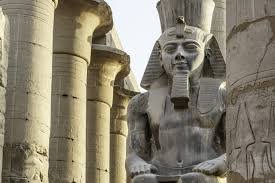
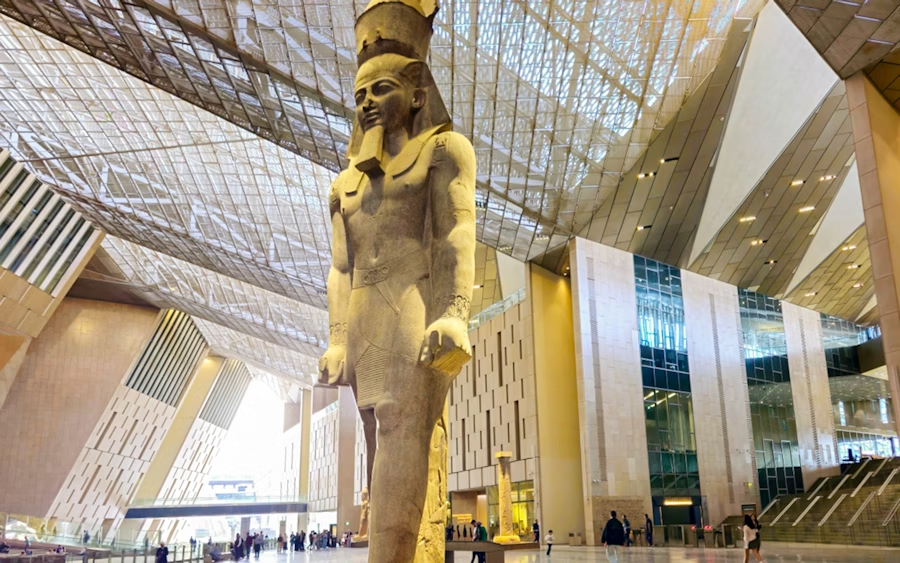
You can enter the Grand Hall and stand beneath the colossal Ramses II atrium. The Grand Staircase invites a dramatic ascent framed by pharaonic statuary.
Twelve chronological galleries are open, tracing prehistory through the Greco‑Roman era. Families will find a busy Children’s Museum with hands‑on AR activities.
Outdoor gardens, viewing platforms, cafés, and a commercial zone are operational for breaks and photos.
Full opening on November 1, 2025: what unlocks
Key sealed spaces remain closed mid‑2025 but are scheduled for the official opening.
- King Tut’s Golden Hall will present the full tomb collection together.
- Khufu’s Solar Boats Pavilion will house ancient vessels in conservation‑grade conditions.
- Royal Mummies Gallery will offer climate‑controlled displays with scientific context.
| Phase | Open mid‑2025 | Unlocks Nov 1 |
|---|---|---|
| Major public halls | Grand Hall, Ramses II Atrium, Grand Staircase | — |
| Galleries | 12 chronological galleries (prehistory → Greco‑Roman) | King Tut’s Golden Hall joins the sequence |
| Family & public spaces | Children’s Museum, gardens, cafés, shops | Full campus with new visitor routes |
| Special exhibits | Selected temporary exhibits and labs | Khufu’s boats pavilion, Royal Mummies Gallery |
Plan your timing: a mid‑year visit delivers most galleries and public spaces now. After November 1, you’ll see king tut material together with the complete display of 100,000 artifacts for a fuller experience.
Location and how close it is to the Giza Pyramids
Close proximity to the Giza Plateau makes it simple for visitors to pair both sites in one day.
Exact address and distance from the pyramids
Address: Alexandria Desert Road, Al Remaya Square, Giza.
The complex sits about 2 km from the giza pyramids, so transfers are short and convenient.
Travel time from downtown Cairo runs near 45 minutes by car, depending on traffic. Signage around Al Remaya Square eases approach for ride‑hail and private drivers.
- Western Cairo location puts the site beside the Giza Plateau for easy same‑day planning.
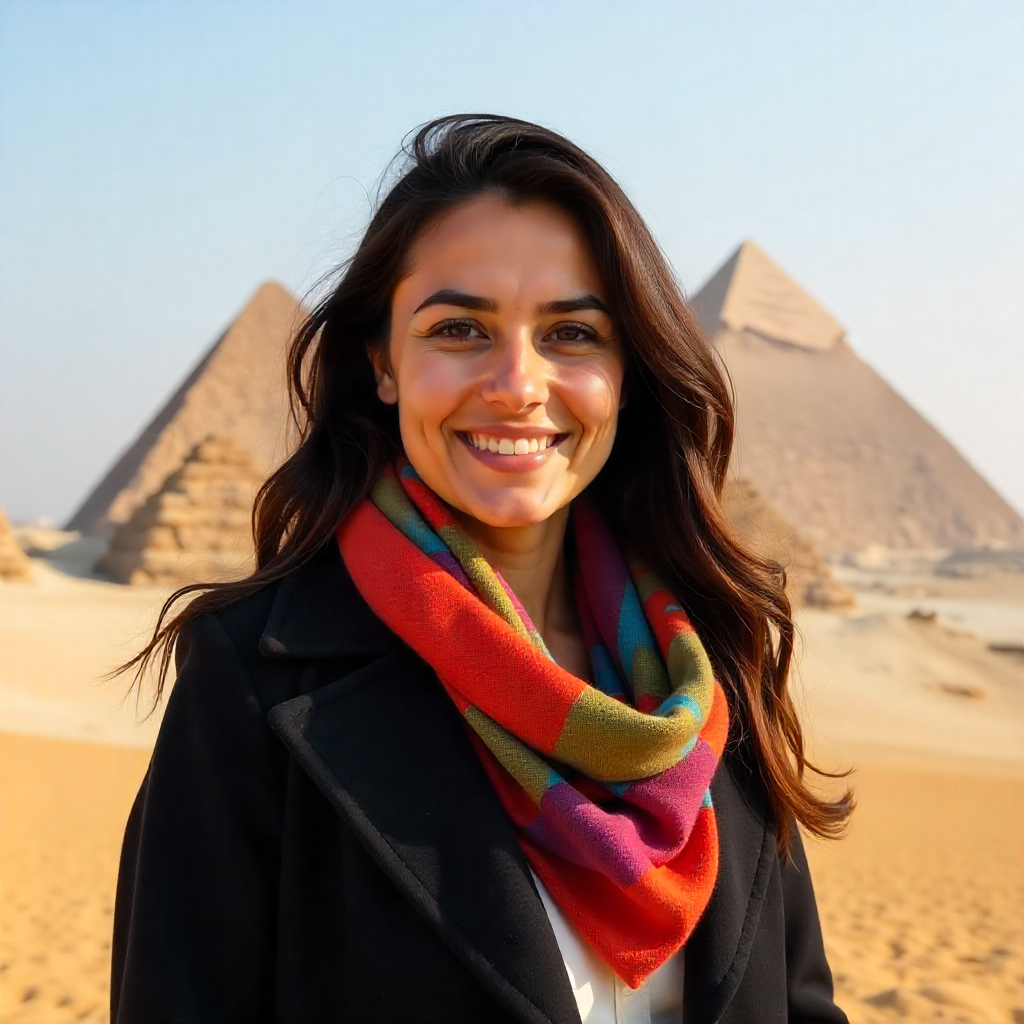
- Landscaped gardens and terraces frame panoramic views toward the pyramids giza, ideal for photos.
- Private transfers often use the north entrance for quick drop‑off and pick‑up; build buffer time for peak hours.
Practical tip: enter the exact address into your app or hand it to your driver for smooth navigation. From the grounds, photographers can capture both modern architecture and desert horizon in one frame.
How to get to the Grand Egyptian Museum from Cairo
Planning travel time and a reliable transfer is one of the easiest ways to protect your day and enjoy a smooth trip.
Uber/Careem and private transfers
Most visitors favor ride‑hail apps like Uber or Careem for cost‑effective, direct access. Simply type “Grand Egyptian Museum” in the app and head for the main north entrance.
Private transfers give door‑to‑door service, English‑speaking drivers, and flexible pickup times. They work well for groups, families, or anyone carrying photography gear.
Driving times, drop-off points, and parking
Expect roughly 45 minutes from Tahrir or Zamalek, but add a buffer for Cairo traffic.
Ask drivers to stop at the north entrance near the Ramses II Atrium for faster security processing.
- Parking areas and coach zones are available on site.
- Confirm parking guidance with your operator if you plan to self‑drive.
- Consider pairing your visit with an evening Sound & Light Show at the pyramids for a seamless schedule.
Future access: metro link and Sphinx International Airport
A new metro link is under construction and will cut congestion once open. Sphinx International Airport sits about 20 minutes away and will improve regional access for many travelers.
Need guaranteed timing? Black Camel Tours can coordinate private pickups and align transfers with ticketed entry slots. 📩 Booking@blackcameltours.com | 📞 +43 660 9081449 | +43 660 8766906 | 🌐 blackcameltours.com
Grand Egyptian Museum hours in 2025
Easy-to-follow hours let families balance galleries, gardens, and meal breaks without rush.
Regular schedules and extended evenings
GEM Complex: 8:30 AM–8:00 PM. This opens earlier than exhibit halls so you can grab coffee, visit shops, or stroll the terraces before your main tour.
Main galleries: 9:00 AM–6:00 PM. On Wednesdays and Saturdays, galleries stay open until 9:00 PM for extended evening visits and softer light for photos.
Ramadan visiting hours
During Ramadan both complex and galleries run a reduced schedule: 9:00 AM–4:00 PM.
- Plan to arrive at or before 9:00 AM to be among the first through the main galleries.
- Prefer cooler, quieter times? Target extended evenings on Wednesdays and Saturdays.
- Allocate buffer time for security screening when you set fixed commitments.
- Pair extended hours with sunset views from terraces for a memorable visit and pyramid backdrop.
- Check the official site on your day for any temporary adjustments to opening times.
Tip: Align guided tours with morning clarity or golden-hour ambience depending on what you want from your visit.
Tickets and guided tours: current prices and booking tips
Buying entry and choosing a guided option are the two moves that shape your museum day.
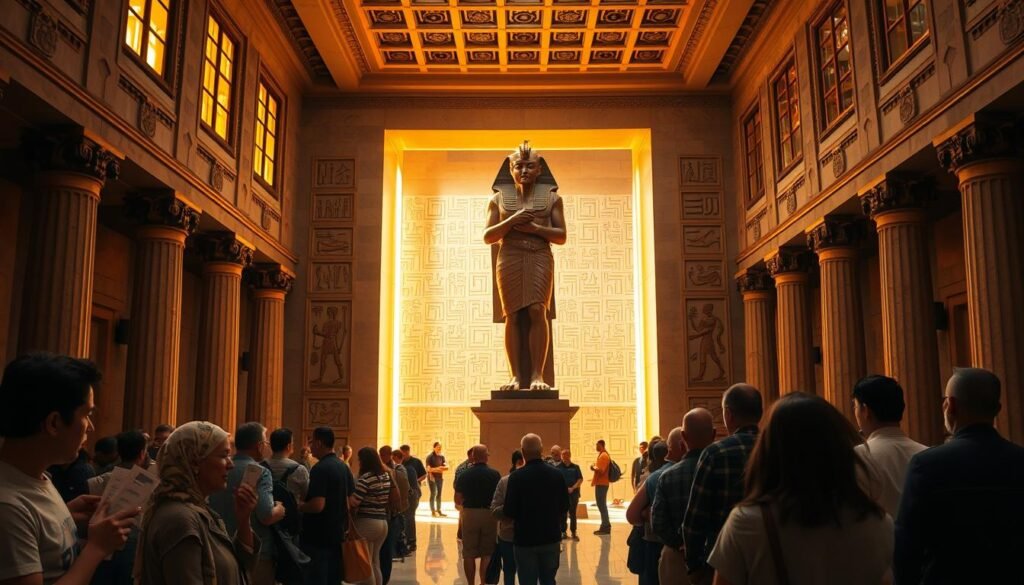
On-site prices and discounts
International adults typically pay about 1,200–1,300 EGP. Student and child fares run near 600 EGP. Local citizens have reduced tiers (roughly 200–350 EGP), with student/senior rates as low as 100–200 EGP.
Guided experiences and inclusions
Guided options vary by language, group size, and length. Expect prices from $35 up to $150 for private groups. A 90‑minute licensed guide or audio headset may cost more and can include priority entry.
Booking channels and payment
On‑site ticket desks accept credit cards only. For fewer delays, prebook at visit-gem.com. Some offers list a 1,700 EGP guided experience; always confirm what’s included.
- Bring student ID for discounts.
- Group rates often start at 10+ people.
- Before the official opening, access to Tutankhamun and boat pavilions may be limited.
Need help? Black Camel Tours can secure tickets and licensed guides. 📩 Booking@blackcameltours.com | 📞 +43 660 9081449 | +43 660 8766906 | 🌐 blackcameltours.com
What to see inside: top exhibits and can’t-miss artifacts
Step inside for a curated run through Egypt’s most iconic artifacts and surprising everyday objects. Start under the colossal Ramses II statue and use a short route to hit highlights efficiently.
Ramses II in the Grand Hall: An 11‑meter, 83‑ton statue anchors the main atrium. Pause here for orientation and a signature photo.
Ascend the grand staircase lined with statues of pharaohs and deities. The ascent frames key moments in royal and religious history and leads you into the twelve chronological galleries.
Main historical galleries: 5,000 years across 12 halls
The galleries move from prehistory through the Greco‑Roman era. Lighting, clear labels, and audio guides make complex history easy to follow.
- Expect thousands of small finds—tools, jewelry, and stelae—alongside large monuments.
- Curator “must‑see” picks help you plan a short or full visit without missing icons.
- If pressed for time, prioritize the Ramses II statue, grand staircase, and Old/New Kingdom rooms.
Major sealed displays (open with full launch)
King Tutankhamun’s Golden Hall reunites 5,398+ tomb objects so visitors see a complete royal assemblage in one space.
Khufu’s Solar Boat Pavilion showcases four‑and‑a‑half‑thousand‑year‑old shipbuilding craft in a conservation setting.
Royal Mummies Gallery balances scientific insight with dignity, using climate control and thoughtful interpretation.
Finish your tour with a quick stop in the commercial zone for certified replicas of favorite treasures. With nearly 100,000 artifacts on campus, a short plan goes a long way.
Interactive experiences that bring ancient Egypt to life
High-tech storytelling and team challenges help visitors connect with ancient pasts.
HoloLens Pyramid Experience
Slip on AR headsets and watch a layered 3D build of pyramid construction appear around you. The augmented reality sequence is narrated by Egyptian actor Ahmed Helmy, who guides users through phases of planning, hauling, and assembly.
This experience gives clear context for nearby artifacts and makes engineering methods intuitive for first-time learners and repeat guests alike.
Jump Discovery Challenge and timed sessions
The Jump Discovery Challenge is a timed, puzzle-driven game that sends teams between galleries. Sessions run at 12 PM, 2 PM, 4 PM, and sometimes 6 PM on weekends.
- Scan QR codes, solve clues, and race the clock across labeled stops.
- Activities suit families, tweens, teens, and adult groups looking for a lively museum day.
- Plan thermal breaks and café pauses between sessions; check availability on arrival since slots fill fast.
Practical tip: schedule AR after an initial pass through main exhibits for better context. Wear comfortable shoes—you will move briskly—and bring a charged phone for quick photos and short videos.
Families at GEM: Children’s Museum and kid-friendly features
Families find a compact, curiosity-driven zone where kids can touch, dig, and decode ancient stories.
Children’s Museum focuses on ages 6–12 with bright, child-height displays and easy language. Interactive AR exhibits bring objects alive. Simulated digs let young learners uncover replica finds in a safe, supervised pit.
Hands-on exhibits and workshops for ages 6-12
Workshops include age-appropriate mummification demos, hieroglyph writing stations, and storytelling corners. Kids can write their name in hieroglyphs and take a short message home.
School programs, weekends, and summer camps
Organized school group packages match curriculum goals and arrive with multilingual support. Weekend workshops and summer camps give structured learning and play for full-day or half-day options.
- Colorful, tactile zones make ancient themes relatable for young explorers.
- Simulated digs teach basic archaeology skills under staff supervision.
- Short-format workshops free parents for nearby cafés and breaks.
- Book school packages early during peak months to secure slots.
- Bring water and light snacks; family rest areas are nearby.
| Program | Age | Duration |
|---|---|---|
| AR exhibits & storytelling | 6–12 | 30–45 minutes |
| Simulated dig & workshops | 6–12 | 45–90 minutes |
| School packages / summer camps | 6–12 | Half-day / Full-day |
Tip: combine a short children’s visit with a curated pass through main galleries for a balanced trip that keeps young visitors engaged all day.
Behind the scenes: Conservation Center and restoration labs
Through viewing panes you can see specialists stabilize ancient objects while digital scanners record each detail.
Glass-walled labs make conservation visible and part of the visit. Visitors watch teams treat papyrus, wood, metal, and textiles in real time.
Conservators use microscopes, humidity rigs, and precise adhesives. Interpretive panels explain how climate control and materials science extend an object’s life.
What visitors can observe
- Transparent workspaces reveal careful cleaning and stabilization steps.
- Live demos show 3D scanning and imaging used to document fragile pieces.
- Rotating projects mean different artifacts appear on repeat visits.
- Quiet observation zones support focused conservation and a respectful experience.
- Students and travelers learn how galleries connect display with active preservation.
Why it matters: these labs turn conservation into an educational moment about history and the world’s shared patrimony.
The Grand Egyptian Museum: What to Expect in 2025 – Full Visitor Guide
Start your first route beneath the massive Ramses II statue and let the building’s flow set your pace.
A simple path for a 2–4 hour trip
Enter via Ramses II Atrium for orientation and a quick primer on layout.
Use the Grand Staircase to reach twelve chronological galleries and follow a clear timeline.
Spend most time in Old and New Kingdom halls for iconic objects. Pause often in gardens and cafés for rest and pyramid views.
Pacing and timing tips
- If you have 2 hours, focus on Grand Hall, staircase, and highlight galleries.
- With 4 hours, add gardens, cafés, and the commercial zone for gifts.
- Families should visit the Children’s Museum early to keep energy high.
- Late afternoon on Wednesdays and Saturdays brings calmer crowds and softer light.
- After November 1, insert Tut’s Golden Hall and Solar Boats Pavilion into mid-visit plans.
Quick tip: shoot photos early; later galleries reward relaxed, camera-free viewing. Use this guide for a smooth, memorable museum visit.
Best time to visit for fewer crowds and great pyramid views
A well-timed trip balances lighting, temperature, and crowd size for a richer experience.
Morning light gives crisp, directional illumination inside the Grand Hall and along statuary. Early entry also lets you enjoy quieter galleries and calmer garden paths before coach groups arrive.
Sunset moments deliver warm, golden-hour tones and dramatic silhouettes of the pyramids from terraces and platforms. Late afternoons are ideal for wide landscape shots and softer portrait lighting.
- For photography, morning light is crisp and directional—perfect for interior detail shots.
- Midweek extended evenings (Wed & Sat) thin crowds and cool temperatures.
- Avoid peak midday on weekends when tour buses concentrate visitors.
- During Ramadan, shorter hours push more guests into early slots—book ahead.
If you plan a combined day, start at the site early and head to the pyramids late for optimal light at both spots. On windy or hot days, bring a light layer and buffer transfers for traffic so you don’t miss your chosen window.
Result: this timing strategy improves comfort, sharp photos, and a memorable visit that ranks among the best in the world.
Dining, cafés, and shopping: where to eat and what to buy
A lively commercial zone pairs artisan stalls with cafés and museum shops for easy browsing.
On-site offerings mix casual restaurants, grab-and-go cafés, and curated boutiques. Certified replicas, books, and handcrafted goods sit beside gallery exits so you can shop without backtracking.
Commercial zone highlights and certified replicas
Seek certified replicas when buying artifact-inspired keepsakes; they match quality standards and make better gifts. Local artisan stalls sell textiles, jewelry, and small sculptures that support Egyptian makers.
Outdoor terraces and garden breaks
Outdoor seating and shaded gardens provide calm places to sip coffee and watch pyramid sightlines. Use terraces for a quick rest between halls and to plan the next part of your trip.
- Refuel at cafés near major circulation points to break up gallery time.
- Book lovers will find exhibition catalogs and guidebooks for deeper reading.
- Card payments are widely accepted, which speeds checkout for international visitors.
- If shopping matters, visit stores before closing to avoid last-minute lines.
- Consider shipping fragile purchases rather than carrying them through the rest of your trip.
Where to stay near the Grand Egyptian Museum
Comfortable stays near Giza let you rest between museum hours and pyramid visits.
Steigenberger Pyramids Cairo
Opposite the site, Steigenberger sits about 3 km from the pyramids and offers pools, a fitness center, and a spa. Rooms with pyramid-facing views cut transfer time and make sunrise photos easier after a long day.
Marriott Mena House
Luxury resort closest to the giza pyramids, with renovated rooms and multiple restaurants. Choose this for a resort feel and polished service when your itinerary includes evening events or longer stays.
Barceló Cairo Pyramids Hotel
Value option on Sharia Al Haram, roughly 15 minutes from the complex. Expect a heated outdoor pool and a rooftop terrace with views that suit budget-conscious travelers who want quick access to attractions.
- Request rooms or terraces with direct pyramid views for sunrise photos.
- Factor dining—on-site restaurants save time after a full trip day.
- Ask hotels about transfers to the site and the Giza Plateau for easy logistics.
- Families may prefer larger rooms and pool access for mid-day breaks.
- Book early for peak demand around the full opening period.
Accessibility, languages, and visitor services
Practical access measures and multilingual tools shape a smoother visitor experience.
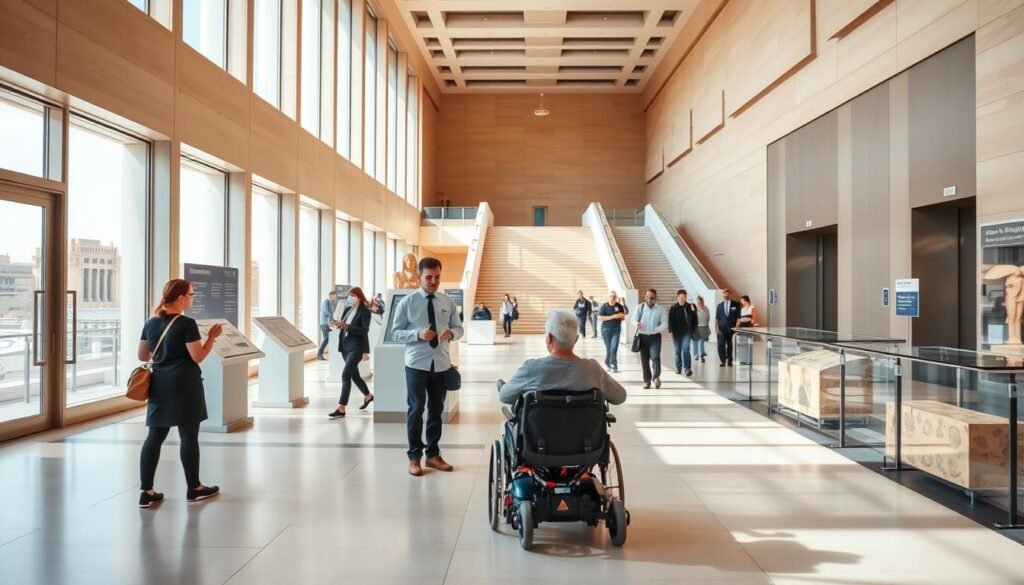
Mobility access: Entrances, ramps, and elevators connect all levels so wheelchairs and strollers move easily. Pathways are wide and marked for clear routing.
Support for visual and hearing needs: Audio descriptions and tactile displays assist visitors with low vision. Sign language interpretation is available when requested—book ahead to secure an interpreter.
- Audio guides cover more than ten languages for self-paced touring.
- QR codes at exhibits offer on-demand translation and quick context checks.
- Staff are trained to help with directions, timing, and service access across galleries.
Family amenities include child-friendly displays near the Children’s Museum and seating nooks across gardens and halls. First aid, lost-and-found, and information points sit centrally for fast help.
Tip: combine accessibility planning with off-peak hours for a calmer, more comfortable visit and fewer waits.
Pairing GEM with nearby attractions: build the perfect day
Pairing a morning at the plateau with an air-conditioned museum visit makes for a balanced, memorable day.
Giza Pyramids and Great Sphinx
Start at the Giza Plateau for sunrise photos and a close look at the pyramids and Sphinx. These landmarks are minutes from the main site, so transfers stay short.
Note: interior pyramid tickets sell separately. Allow extra time for queues and the narrow passageways inside Khufu if you plan a quick climb.
Sound & Light Show and Cairo add-ons
Return after dark for the nightly Sound & Light Show to cap a full thematic day.
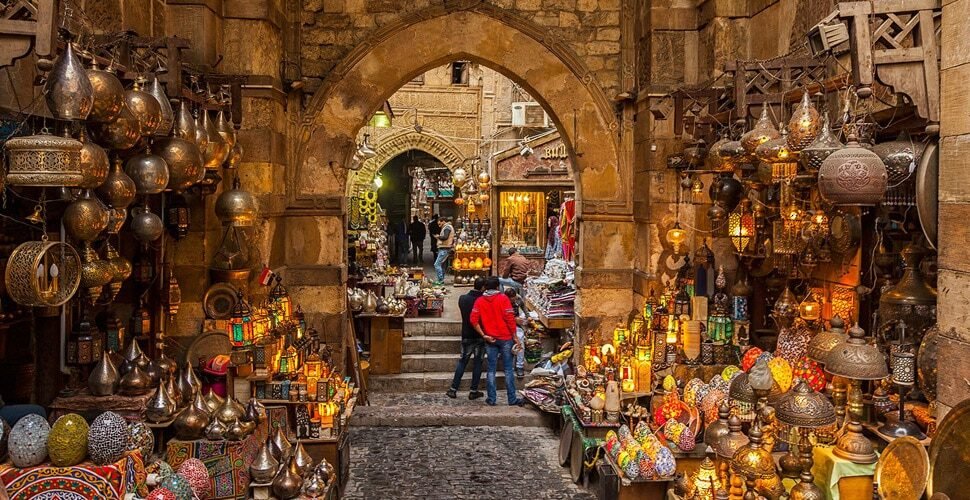
If your schedule allows, add Cairo options: Tahrir’s museum, Islamic Cairo, Khan el-Khalili, or a Nile dinner cruise for a gentler evening after a busy day of artifacts.
- Start morning at the plateau, then move to climate-controlled galleries at midday.
- Buy interior pyramid tickets in advance if you want entry; expect tight spaces and extra queueing.
- Time meals at on-site cafés so transfers don’t slow your trip.
- Photographers should plan sunset silhouettes at the plateau and blue-hour exterior shots.
- Families: build rest intervals and limit backtracking to conserve energy.
- Consider a second day in Cairo for deeper neighborhood exploration and extra attractions around the world-famous sites.
Need help planning? Black Camel Tours can optimize routing, secure tickets, and manage transfers or luggage between hotels.
Contact: 📩 Booking@blackcameltours.com | 📞 +43 660 9081449 | +43 660 8766906 | 🌐 blackcameltours.com
What happens to the old Egyptian Museum in Tahrir
Not all collections will move at once. Select objects—especially fragile or oversized artifacts—will stay in Tahrir for conservation and safer display. This protects delicate pieces while teams finish transfer plans.
Tahrir will receive targeted modernization. Upgrades will improve visitor flow, interpretation, and climate control. That work aims to keep the building active within Cairo’s cultural scene and education network.
Expect a shift in curatorial strategy. Future exhibits may run rotating or specialized themes that complement the new displays across sites. Researchers and students gain broader access with collections split between locations.
- Not everything moves; some monumental works remain for conservation.
- Modernization will focus on preservation and better visitor routes.
- Tahrir stays part of Cairo’s history and learning landscape.
| Role | Primary focus | Access | Why visit |
|---|---|---|---|
| Tahrir historic site | Conservation & rotating shows | Local ticketing; hours may change | See fragile or oversized artifacts up close |
| New campus | Comprehensive displays of core collections | Timed entry; expanded galleries | Big-picture layout and large reunions of tomb objects |
| Research & education | Study access and student programs | Special bookings for scholars | Diversified access for deeper study |
Tip: visitors with extra time should include Tahrir for a richer picture of egyptian museum history. Check current schedules before pairing both sites on the same day and consider a guided tour to compare curatorial approaches.
Safety, security, and photography etiquette
Security checks keep people and objects safe while helping everyone enjoy a calm visit.
Expect airport-style screening at main entrances. Pack light, leave prohibited items at your hotel, and carry IDs for faster processing.
Photography is welcome in many public areas, but no-flash rules protect light-sensitive exhibits. Large tripods, gimbals, and professional rigs may need prior permission.
- Keep a respectful distance from barriers and fragile objects.
- Follow staff guidance if signs or rules change for conservation needs.
- Secure devices in interactive zones to avoid drops and interruptions.
- Use outdoor terraces for wide shots; check local drone rules before flying.
- Be mindful of other visitors’ sightlines and movement in tight spaces.
| Rule | Why it matters | Visitor action |
|---|---|---|
| Screening | Protects people and collections | Pack light; allow time for checks |
| No-flash | Prevents light damage | Turn off flash; use steady hands or image stabilization |
| Tripods need permission | Avoid crowding and risks | Request clearance from staff in advance |
| Respect barriers | Preserves fragile artifacts | Observe signs and keep distance |
Tip: prioritize safety over a perfect shot. A polite approach keeps the visit positive for everyone and protects world-class exhibits for future guests.
Plan and book your GEM experience
Reserving tickets and a guide in advance turns a tight schedule into a relaxed trip.
Start with official tickets at visit-gem.com and save confirmations on your phone. On-site sales accept credit cards only, so bring a card if you buy entry at the desk.
Contact Black Camel Tours
Black Camel Tours combines a timed visit with transfers, the Giza Plateau, and evening Sound & Light options. Group rates may apply for parties of 10+ with advance booking.
Book with confidence
- Decide on self-guided entry or a licensed Egyptologist-led tour by interest and pace.
- Ask Black Camel Tours for private transfers that link museum and pyramids in one smooth day.
- Secure extended-evening slots (Wed & Sat) for fewer crowds and cooler temps.
- Confirm inclusions—headsets, priority entry, and exact timing—before paying.
- Build buffer time for Cairo traffic so timed windows are not missed.
| Action | Why it matters | Quick tip |
|---|---|---|
| Buy tickets online | Avoid queues and lock timed entry | Use visit-gem.com |
| Book a guided tour | Gain context and skip lines | Ask about headset and priority access |
| Arrange transfers | Saves time between sites | Include buffer for traffic |
Contact: 📩 Booking@blackcameltours.com | 📞 +43 660 9081449 | +43 660 8766906 | 🌐 blackcameltours.com
Conclusion
A single itinerary can move you from massive public spaces to intimate conservation labs.
,
The Grand Egyptian Museum already opens major halls, twelve galleries, a Children’s Museum, and gardens. On November 1, 2025, Tutankhamun’s Golden Hall, the Solar Boats Pavilion, and the Royal Mummies Gallery join the campus.
Plan timing around extended evenings or pair sunrise and sunset views for iconic pyramid photos. Book official tickets at visit-gem.com; on-site sales accept credit cards only.
This guide helps shape a focused trip so families and history fans enjoy a rich, accessible experience. For seamless arrangements—tickets, licensed guides, and transfers—contact Black Camel Tours: 📩 Booking@blackcameltours.com | 📞 +43 660 9081449 | +43 660 8766906 | 🌐 blackcameltours.com